6 Things Gen Y Must Do! If You Want to Early Retire
No one wants to wake up early, battle traffic, and work until they hit their 60s. Many dream of staying home, relaxing, and having enough money to live comfortably. However, reality often doesn't match those dreams. Many still worry whether that day will truly come, and if it does, will they retire in the way they envisioned—enjoying life without financial stress, or will they have to retire while constantly calculating their expenses?
If these thoughts cause you anxiety, try closing your eyes and imagining that planning for early retirement is like paying off a mortgage. The sooner you start, the closer you get to your goal. Yet, every time you start, you often choose the safest route by opting for the longest repayment term with the bank, even though you secretly wish to pay it off quickly to reduce both principal and interest—much like how you approach your work.
It's not wrong to aim to retire at 60, but you can lower that goal if you let your savings grow through compound interest. It doesn't matter how old you are now; every dream can come true if you start early. Here are 6 simple steps to help you reach your dream.

1. Don’t Overspend Just Because You Earn More One of the easiest ways to grow your wealth is to earn more but spend less. Remember, if you earn more, you should save more.
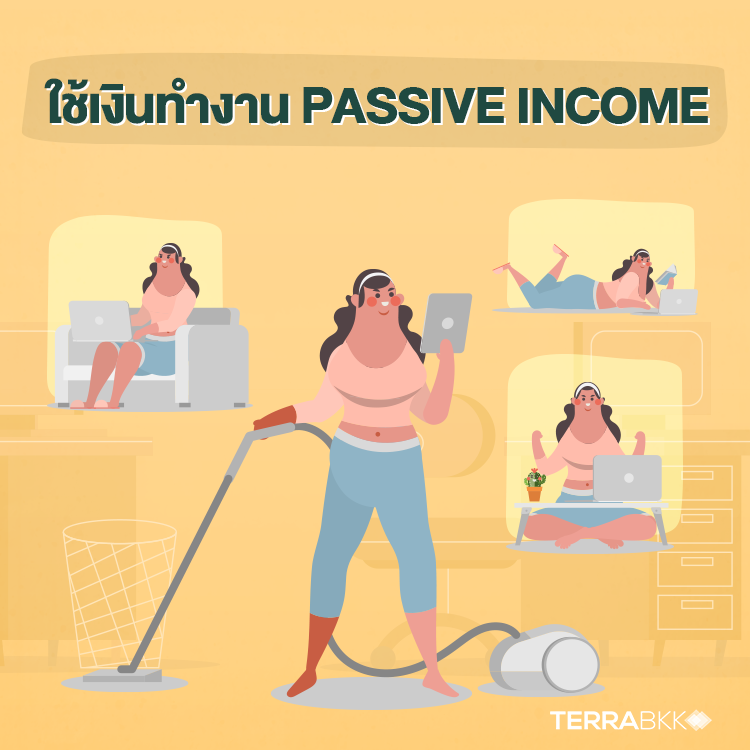
2. Save More, But Also Make Your Money Work Salaried workers are familiar with the two types of income: active income, which comes from working, and passive income, which is generated by letting your money work for you.
In recent years, passive income has become a popular topic for saving money. Most sources of passive income today involve either investing in real estate, hoping to earn rental income, or investing in various financial assets like stocks, mutual funds, or gold. Of course, every investment carries risks, so the classic advice from financial experts is to diversify your risks—spread your eggs across multiple baskets. Even if a few break, you’ll still have some left.

3. Look for Side Jobs Nowadays, very few people survive on a single job without a side hustle. Don’t underestimate your own abilities and potential. Assess what skills you have that may not be utilized in your main job, and consider turning them into a side job on weekends to contribute to your savings fund for early retirement.

4. Work to Buy a House Quickly Don’t wait until you’re nearing 30 to think about buying a house. There’s no formula for when you should buy your first home; it depends on your readiness. The sooner you borrow and pay off the mortgage, the sooner you’ll be free of that burden. If you want to reduce your financial load as you age, aim to secure a home quickly. If you pay it off by your 40s or early 50s, you’ll be relieved sooner. Ultimately, you may not need to live in your first home for the rest of your life. When the time and opportunity arise, you might sell it and use the proceeds—likely more than what you paid—to buy a new home that better suits your needs at that time.

5. Be Willing to Sacrifice Something To reach your dreams faster, ask yourself if there’s anything you can sacrifice that others might consider essential. For example, consider your family planning—how many children do you want? Is three necessary for a warm family, or would one be enough for you? Is it essential to have a condo in the city center, or could you accept sacrificing city lights for a house with land or a larger, fully-equipped condo in the suburbs that’s just as comfortable but more affordable? Transportation can still be convenient even if it’s not in a prime CBD location.
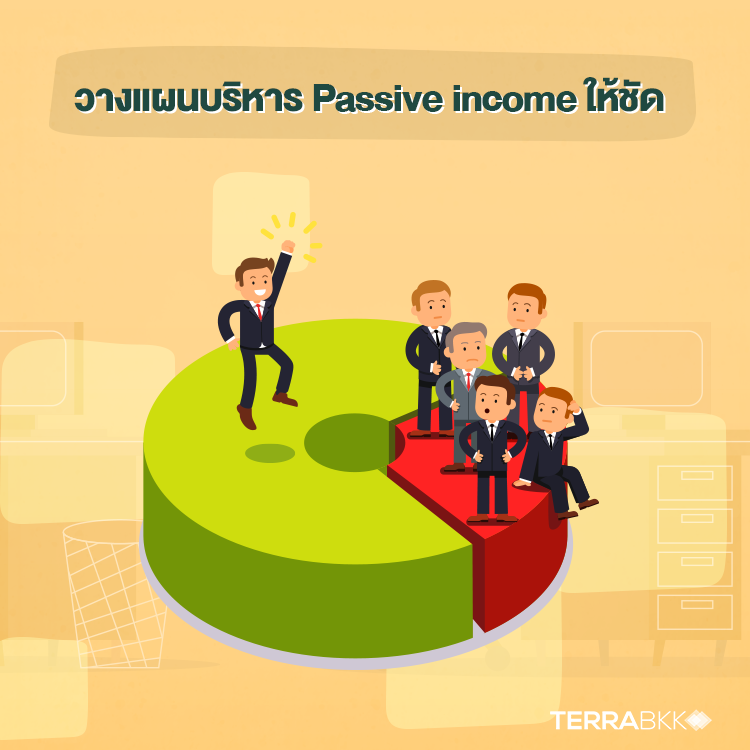
6. Clearly Plan Your Passive Income As life reaches a turning point, the steady income from your salary will become a thing of the past. You need to ensure that you have built a solid foundation for your passive income that will bear fruit for you.
Source: www.forbes.com